Do New Zealand’s active faults and volcanoes talk to each other? Insights from 25 years of trenching ancient faults

Date: Thursday, 23 April 2026
Time: 6pm (doors open at 5.30 pm)
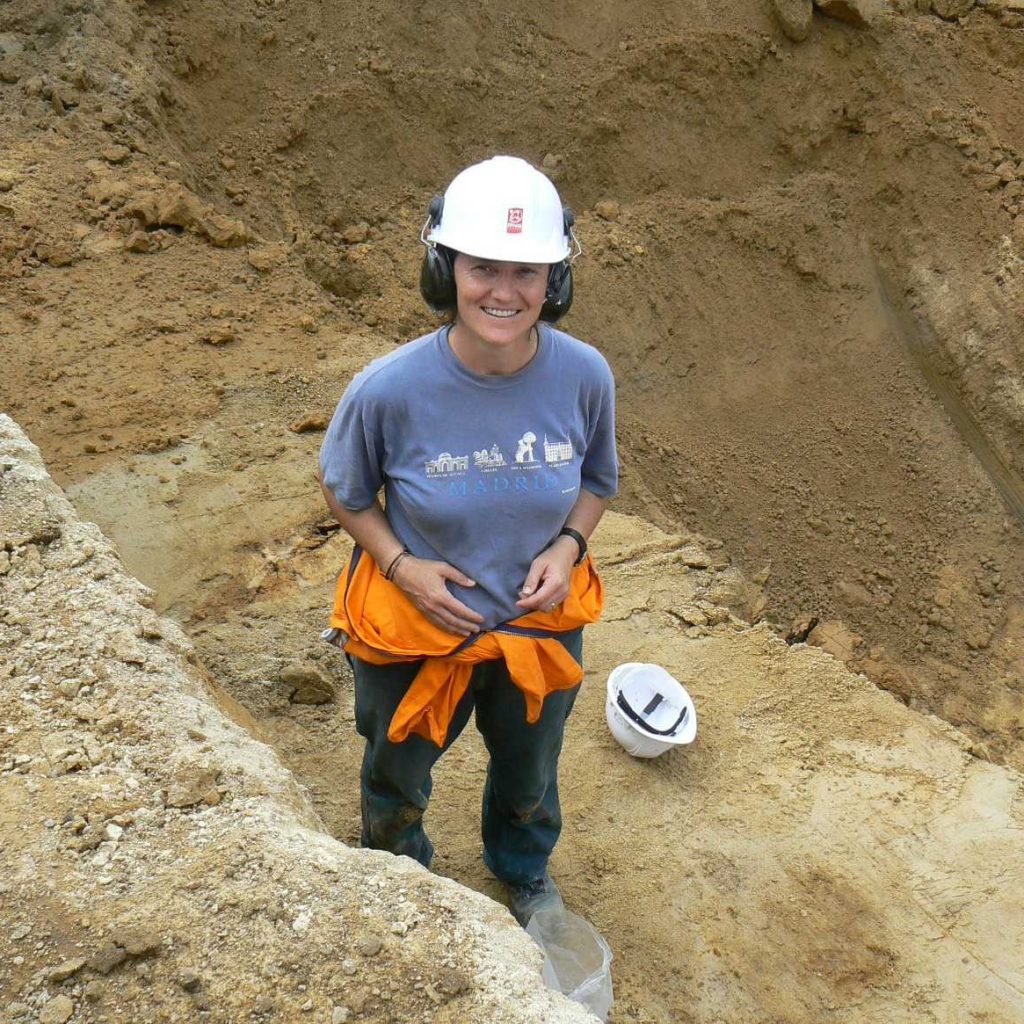
Speaker: Pilar Villamor, Earth Sciences NZ
Venue: Lecture Theatre 1, EIT Taradale, Napier
Admission: Gold coin donation

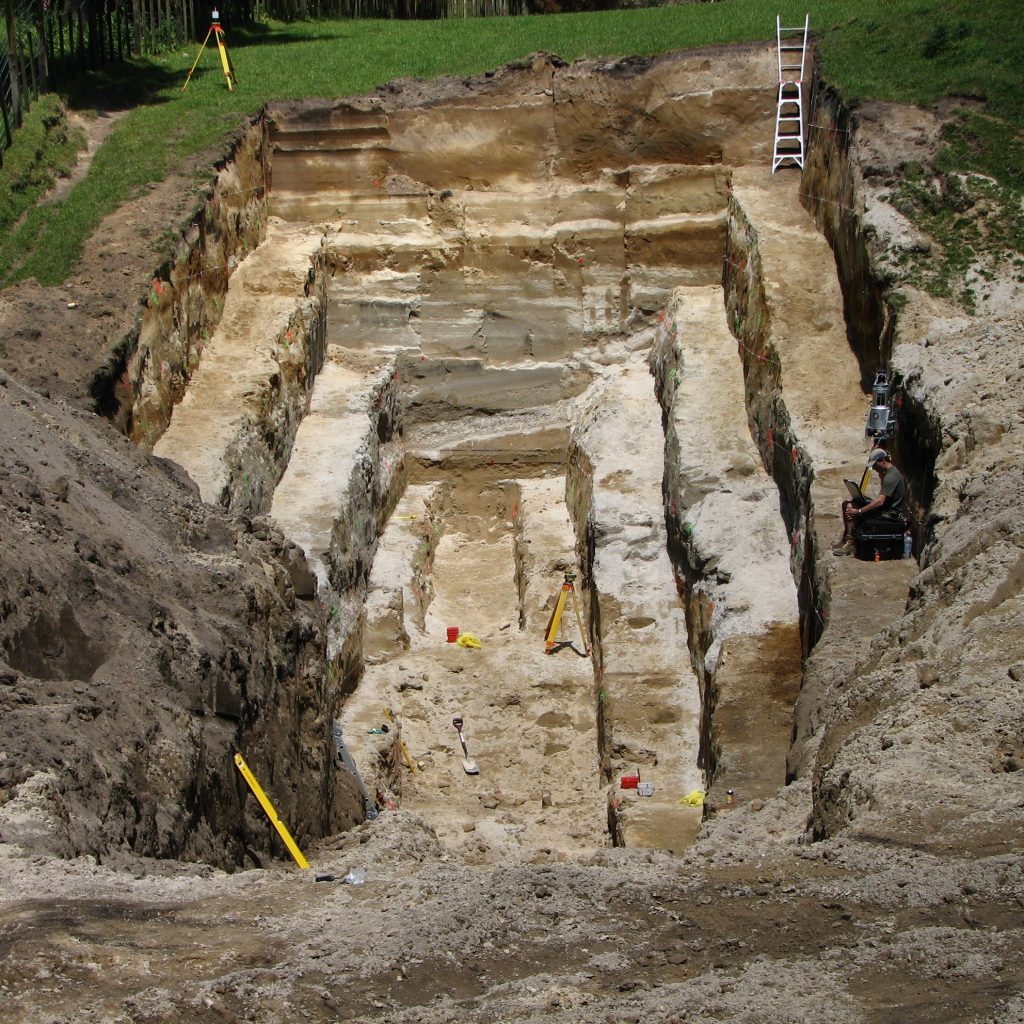
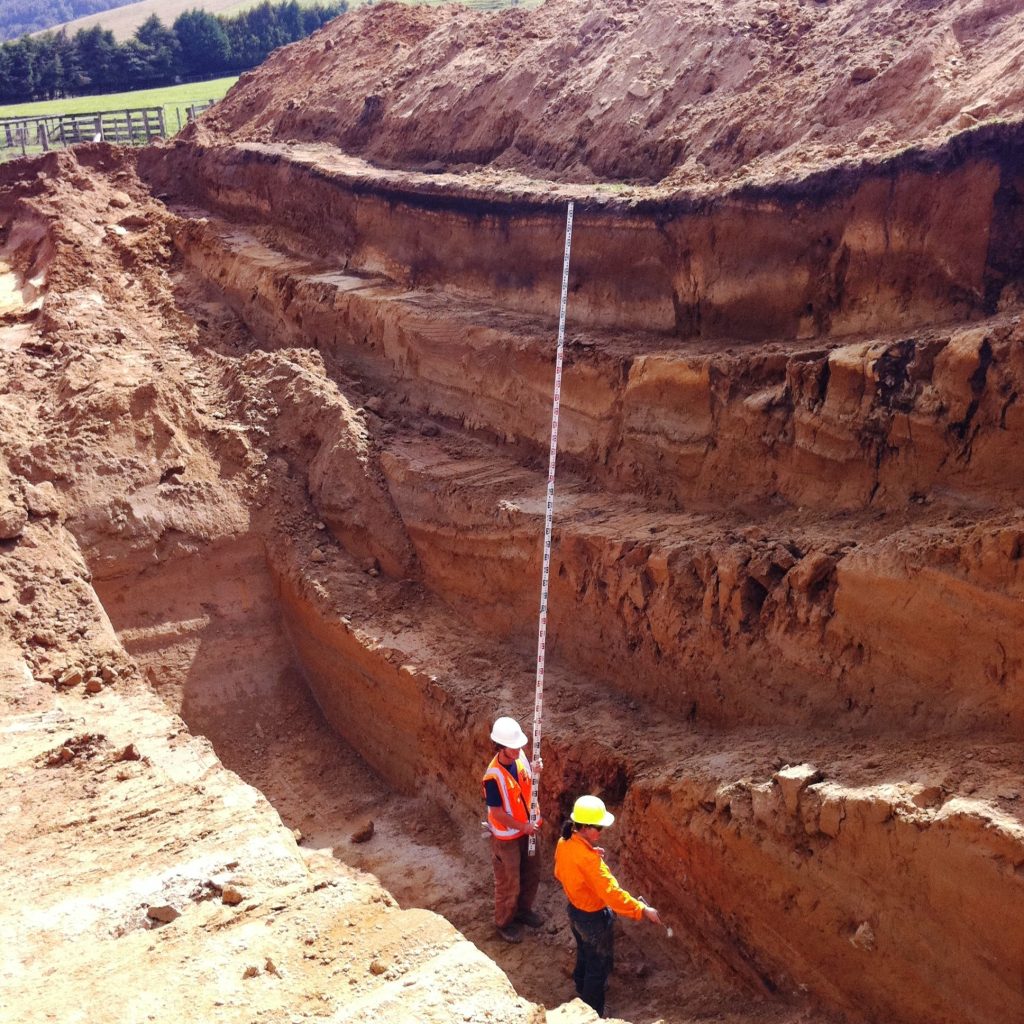
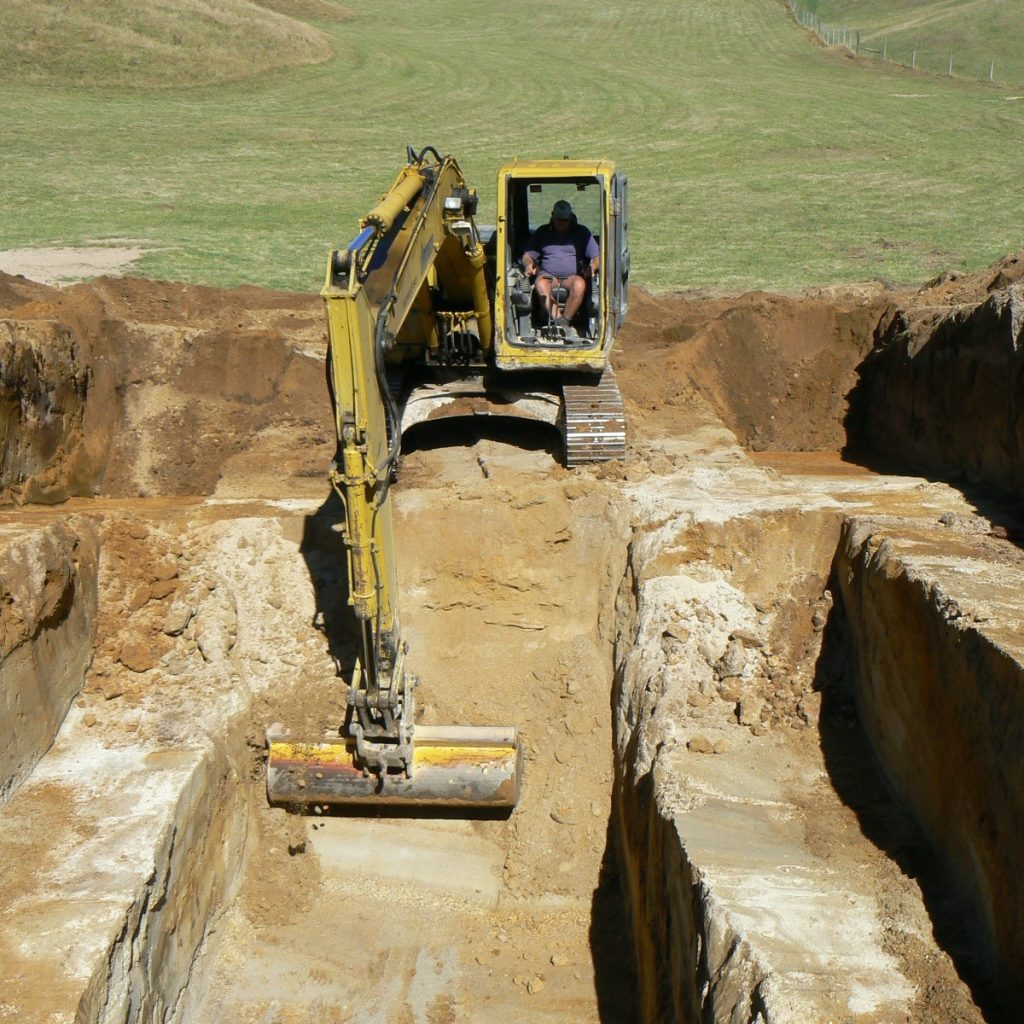
This year’s Geoscience Tour lecture will review 25 years of trenching active faults in volcanic environments and how a scientist’s perspective on tectonics close to volcanoes changed through that time, from the simple utilisation of volcanic stratigraphy as timelines for paleo- earthquake history to a realisation that volcanic and tectonic processes are so intimately connected that one cannot be understood without the other. Pilar will show paleoseismic evidence based on criteria that she developed to distinguish types of earthquakes–eruption associations. Paleoseismic data, combined with geomorphology, borehole data, and geophysics, revealed strong temporal links between fault ruptures and volcanic eruptions. She will also draw on worldwide historical examples and stress modelling to infer possible crustal processes that can explain these time associations. Collectively, these studies improve our understanding of how volcanic eruptions and unrest are linked to active faults and earthquakes in the TVZ.

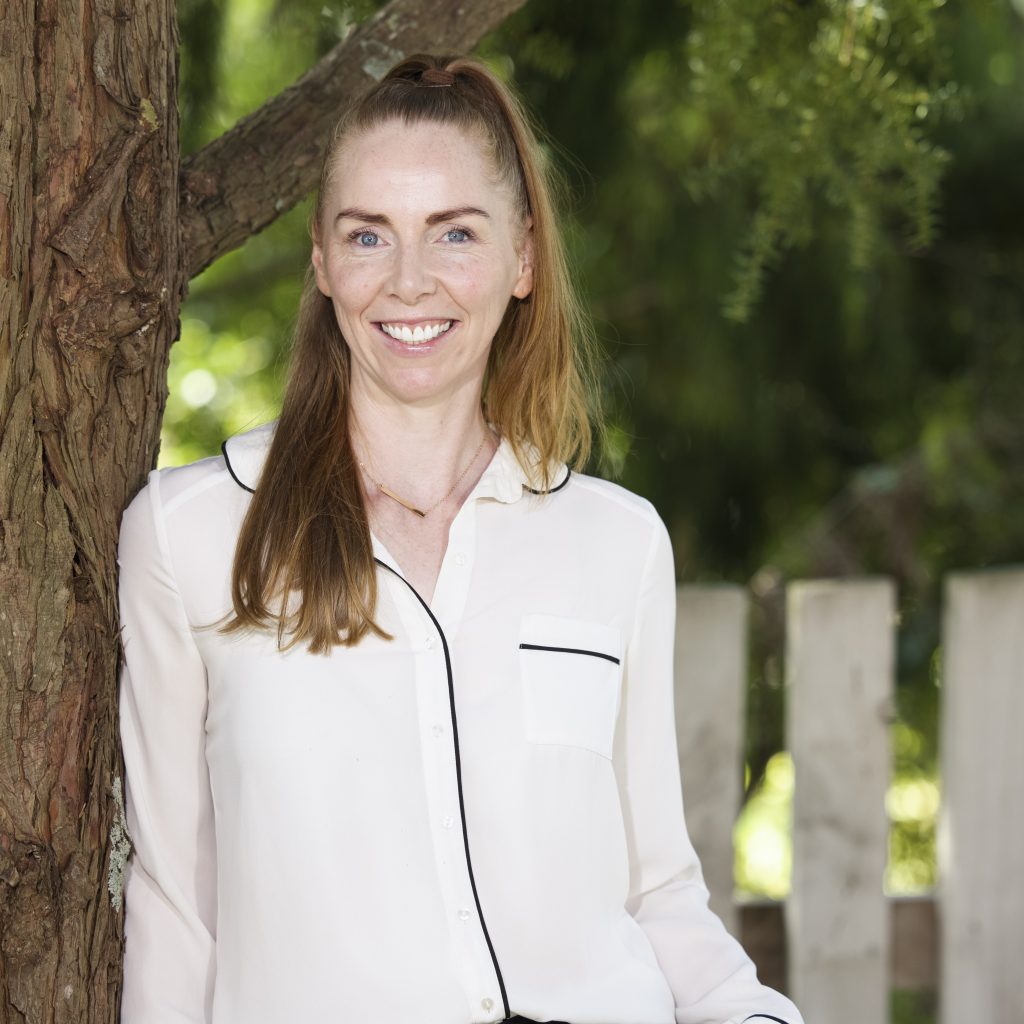
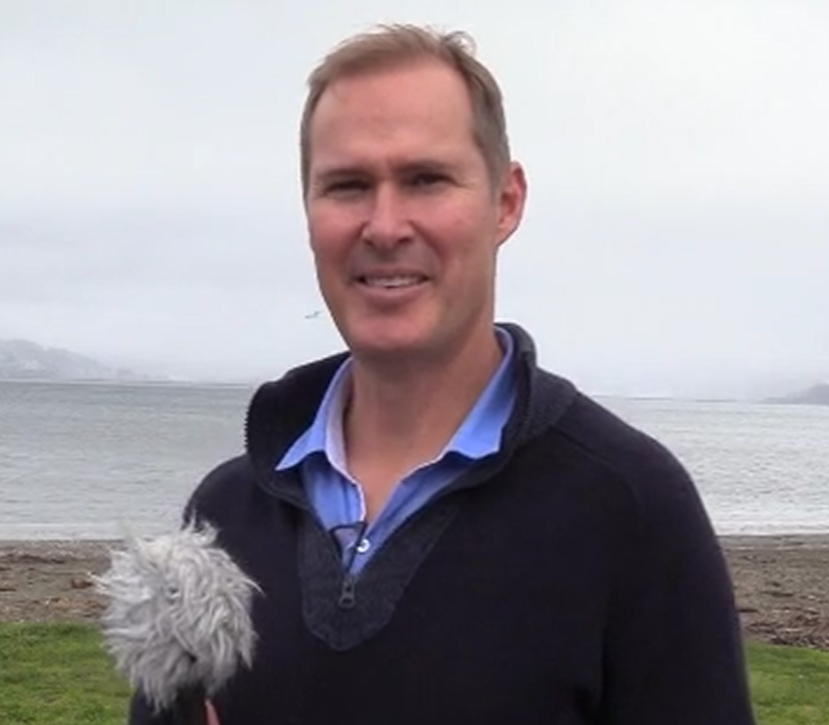
Pilar is an internationally respected earthquake geologist and principal scientist whose research on active faults and volcano–tectonic interactions in Aotearoa New Zealand has had a transformative impact on our understanding of natural hazards. Pilar’s recent studies show that the recurrence of fault ruptures in the Taupō Volcanic Zone (TVZ) can be strongly modulated by volcanic activity, and vice versa. The novelty of her work lies in combining paleoseismic trenching with multidisciplinary approaches to demonstrate causal links between earthquakes and eruptions. This
represents a paradigm shift for New Zealand hazard science.

Seaweek Special: Marine Animals as Ecosystem Engineers

Date: Tuesday, 3 March 2026
Time: 6pm (doors open at 5.30 pm)
Speaker: Dr Alessandra Vallim
Venue: National Aquarium, Napier
Admission: Gold coin donation

As part of Seaweek 2026, the annual celebration of our oceans, the Hawke’s Bay Branch of the Royal Society Te Apārangi warmly invites you to a special Seaweek Talk at the National Aquarium of New Zealand.

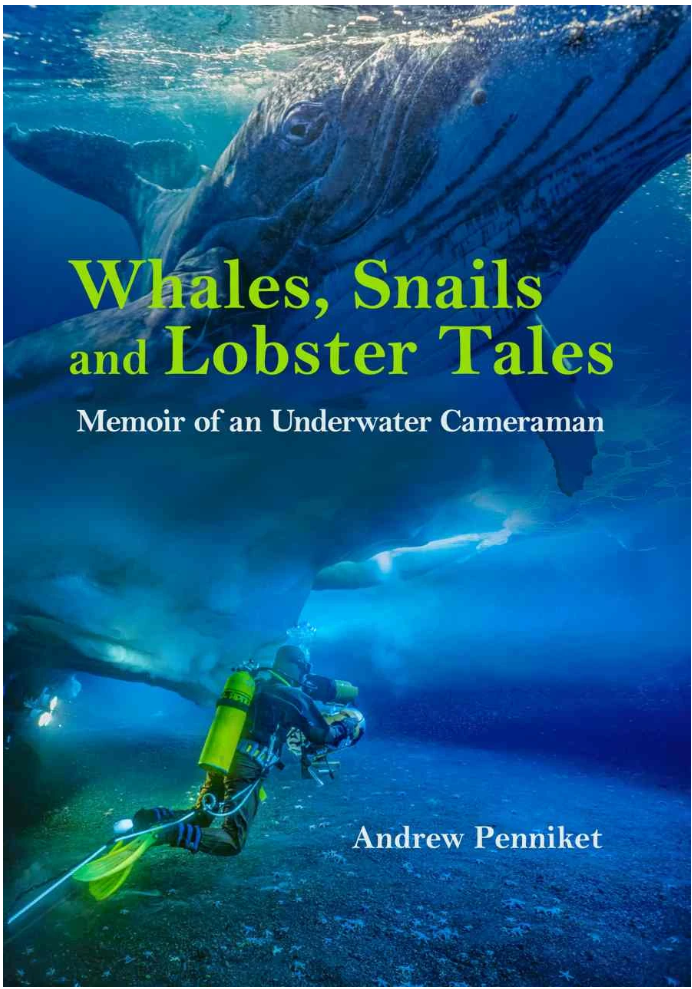
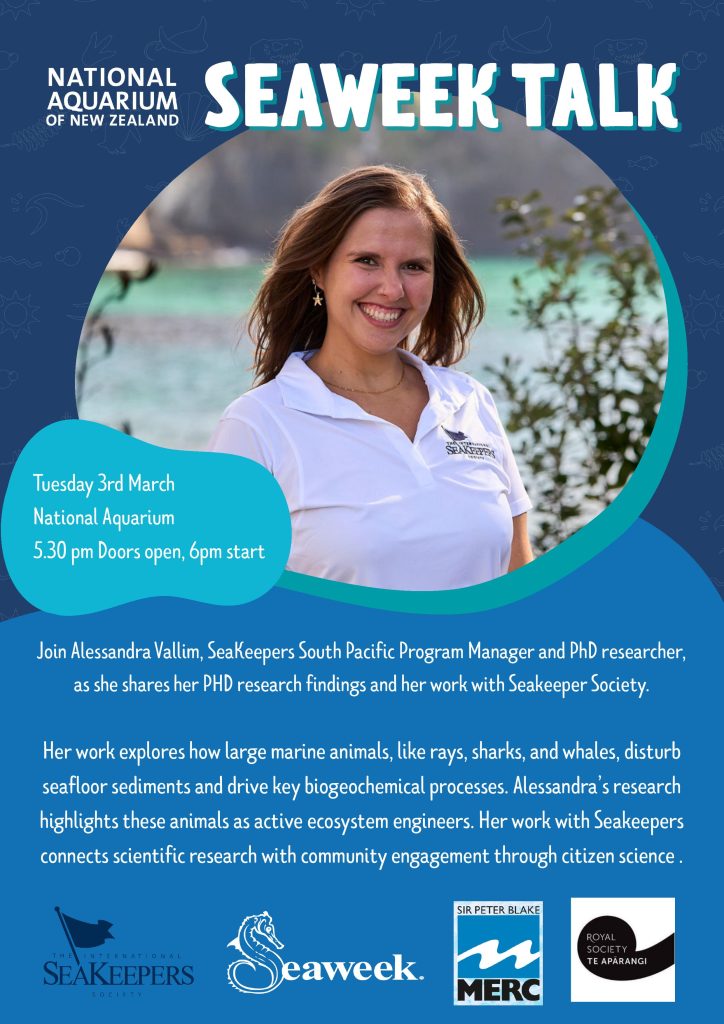
Join Alessandra Vallim, SeaKeepers South Pacific Program Manager and PhD researcher, as she shares her research on how large marine animals — including rays, sharks, and whales — reshape seafloor sediments and drive key ocean processes. Her work highlights these species as ecosystem engineers and connects science with community engagement through citizen science initiatives.

The other Hawke’s Bay Earthquake: Waipukurau, 23 February 1863

Date: Tuesday, 17 February 2026
Time: 5.30 pm (doors open at 5.00 pm)
Speaker: Dr Rob Langridge, Earth Sciences NZ
Venue: 
Art Deco Trust, 5 Clive Square East, Napier
Capacity: 70 – first come first served
Admission: Gold coin donation

As we commemorate the 1931 Hawke’s Bay earthquake, this talk turns our attention to another major — and much less well-known — event in our region’s past. The February 23rd, 1863 Waipukurau Earthquake was described by some who experienced both events as being just as violent and damaging as 1931.

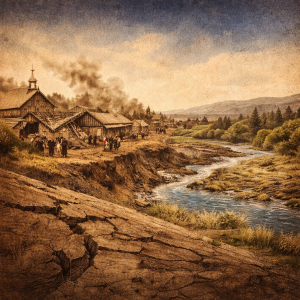
Felt across much of Aotearoa New Zealand, the 1863 earthquake caused widespread damage in Napier and central Hawke’s Bay, and may have been as large as magnitude 7.5. Despite this, it remains poorly documented. This lecture presents new research reconstructing its felt intensity across New Zealand, examining impacts on buildings and the natural landscape — including the diversion of the Waipawa River — and recent efforts to identify the source faults east of Waipukurau–Pukehou.

Rob Langridge is an Earthquake Geologist with Earth Sciences NZ, specialising in active faulting, surface rupture, and the earthquake history of Aotearoa New Zealand. His work focuses on understanding past large earthquakes to better inform present-day seismic risk.

Wine talk accompanied by festive fare to celebrate the end of the year

Join us for a talk on viticulture research by Dr Chandré Honeth, preceded and followed by drinks, nibbles, mixing and mingling; a perfect way to celebrate the end of the year.

Dr Chandré Honeth: Viticulture and Wine Science Lecturer, EIT

Date: Tuesday, 2 December

Time: 5.30pm, lecture starting at about 6.15pm

Venue: Women’s Rest, 5 Clive Square East, Napier

Ticket required: please register on Eventfinda

Characterising Albariño as a Potential Cool-Climate White Variety in New Zealand

Albariño — known for its drought and disease tolerance — shows strong promise for grape-growing regions facing increasing temperatures and unpredictable rainfall. Its flavour and aroma profile can vary significantly depending on vine exposure to sunlight or shade.

This research evaluated Albariño’s performance under New Zealand conditions, with a focus on how leaf-removal practices influenced grape and wine composition. The findings contribute to a growing body of knowledge that will assist growers who may consider Albariño cultivation in the future.

Dr Chandré Honeth received her PhD from the University of Stellenbosch (South Africa), where she investigated the influence of UVB radiation on berry metabolites in Sauvignon Blanc. She is currently a lecturer and researcher in Viticulture at Eastern Institute of Technology.

A botanical lens on biodiversity in Niue: Microcosm of southwestern Polynesia

Speaker: Dr. Peter Heenan, Principal Scientist at the Bioeconomy Science Institute, Manaaki Whenua – Landcare Research
Date: Tuesday, 23 September 2025
Time: 6:00pm
Venue: Lecture Theatre 1, EIT Taradale, Napier
Free entry reservation required to secure your seat

Royal Society Te Apārangi, together with the Hawke’s Bay Branch, is delighted to present a talk by Dr Peter Heenan, winner of the 2024 Leonard Cockayne Lecture Award, which commemorates the life and work of Leonard Cockayne, New Zealand’s greatest botanist.

In his decades-long career, Peter has explored and researched New Zealand flora, especially the alpine plants of New Zealand, studying how our native plants have evolved, spread, and adapted to their dramatic mountain landscapes. But recently, his journey has taken a tropical turn – to the small Pacific island of Niue.

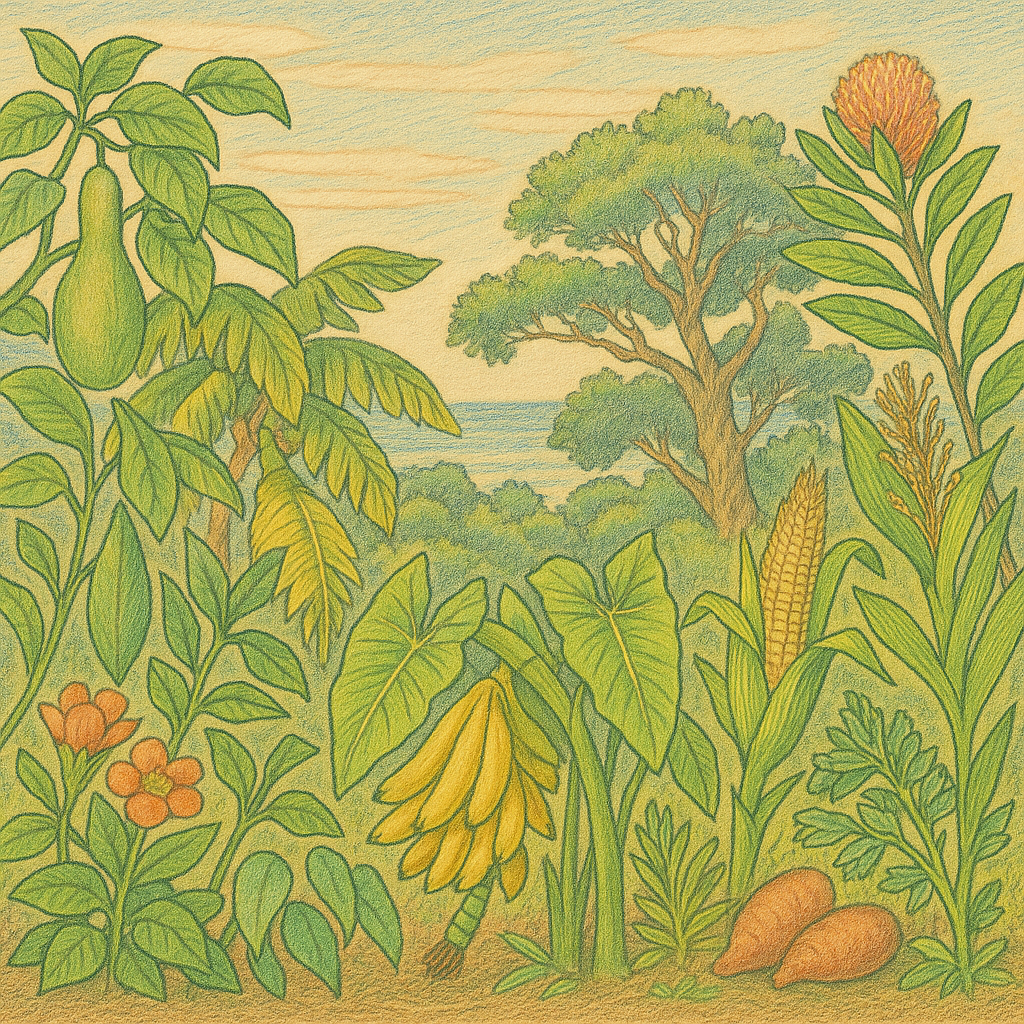
In this presentation, Peter will share what he’s discovered so far about Niue’s plants and fungi: how many species there are, what kinds of forests grow there, which plants are unique to the island, and which ones are invasive. He’ll also look at how climate, culture, and conservation all come together to shape the island’s living landscape.

Peter will reflect on how the deep knowledge we’ve built in New Zealand could help support new research in Niue – like protecting rare species, tracking invasive weeds and insects, and understanding the crops and plants important to local people. In Niue, plants and people are closely connected, and both traditional knowledge and modern science are essential for future success.

With fresh insights from visits to other Pacific Islands, Peter will show how Niue – though small – is a powerful example of the challenges and wonders of tropical botany in the Pacific today.

Past, present, and future earthquakes on the Alpine Fault: what lies beneath and what lies ahead?

Speaker: Professor John Townend, Victoria University of Wellington
Date: Thursday 4 September 2025
Time: 6:00 pm
Venue: Lecture Theatre 1, EIT Taradale, Napier
Admission: Gold Coin Donation

The Hawke’s Bay Branch is going to host this year’s Geoscience NZ 2025 Hochstetter Lecture, featuring renowned geophysicist Professor John Townend.

The Alpine Fault is one of the world’s most studied earthquake-generating faults, with decades of paleoseismological research revealing a remarkably regular earthquake cycle — typically less than 300 years between major events. Yet, the last major rupture occurred in 1717 CE, meaning the next is statistically overdue.

Professor of Geophysics John Townend will explore the evolving understanding of the Alpine Fault — from its geological past to its seismic potential today. Drawing on landmark research projects like the Deep Fault Drilling Project (DFDP) and the Southern Alps Long Skinny Array (SALSA), as well as cutting-edge techniques including fibre-optic sensing and AI, he will explain what lies beneath the surface and what might lie ahead.

With an estimated 75% chance of a magnitude 7+ earthquake occurring in the next 50 years, this is a timely and vital conversation for all New Zealanders.

Tales of the Unexpected – with Prof. Richard Beasley CNZM FRSNZ

Date: Tuesday, 12 August 2025
Time: 6:00 pm
Venue: Lecture Theatre 1, EIT Taradale, Napier
Free entry – booking essential

Reserve your seat now!

Royal Society Te Apārangi and the Hawke’s Bay Branch are delighted to present the 2024 Rutherford Medal winner in a special public talk. Don’t miss this opportunity to hear from one of New Zealand’s leading researchers – this promises to be a fascinating and thought-provoking evening.

Tales of the Unexpected: Surprising Discoveries that Changed Clinical Practice
Join us for an engaging session where Prof. Beasley shares unexpected findings from ten influential research programmes that:

  • Challenged long-standing medical assumptions
  • Advanced global clinical understanding
  • Directly impacted patient care

Topics include:

  • Should fever be treated?
  • Is sitting for long periods a health risk?
  • Are party pills safe for drivers?
  • Does cannabis smoking cause lung cancer?
  • What really caused the NZ asthma death epidemic?
  • And more…

AGM – Royal Society Hawke’s Bay Branch

Date: Tuesday, 1 July 2025

Time: 5:30pm (prior to public lecture)

Location: Hawke’s Bay Regional Council, Napier

We invite all members to attend our Annual General Meeting, which will be held just before our July public lecture.

A key item on the agenda will be the review and approval of our updated Constitution, in line with the Incorporated Societies Act 2022. This is a significant step in maintaining our legal and charitable status, and we need your voice in shaping the way our branch moves forward.

Your feedback and participation are essential.
Please take the time to review the proposed changes—details will be shared with members ahead of the meeting.

Let’s keep our branch strong, compliant, and future-ready.
We look forward to seeing you there!

Gravity Always Wins: What information is needed for landslide risk reduction?

Speaker: Dr Saskia de Vilder, Engineering Geologist at GNS Science

Date: Tuesday, 1 July 2025, 6pm

Venue: Hawke’s Bay Regional Council (159 Dalton Street, Napier)

Admission: Gold coin donation

Landslides of all types and sizes occur across Aotearoa New Zealand. As we saw during Cyclone Gabrielle, they can have devastating impacts—causing loss of life, damaging and destroying homes, and isolating communities long after the rain has stopped. To plan effectively, invest wisely, and reduce our landslide risk, we need to know where and when landslides might occur, how large they could be, who or what they might impact, and what the consequences are likely to be. In short, we need national-scale maps of landslide hazard and risk that can support both emergency response and long-term planning.

This talk explores how the Hōretireti Whenua | Sliding Lands research programme is advancing Aotearoa’s ability to understand and reduce landslide risk. The programme aims to transform information about rapid landslide hazards into knowledge about vulnerability and risk—built on an understanding of how people perceive: (1) landslide phenomena, (2) community and individual vulnerability, and (3) model capabilities and outputs.

The presentation will also highlight how data from the record-breaking landslides triggered by Cyclone Gabrielle in February 2023 are being used to test and improve these models. By combining end-to-end modelling with integrated hazard, risk, and impact information—and drawing on social science insights—Sliding Lands is working to ensure that when gravity does its worst, we’re better prepared.

Dr. Saskia de Vilder is an Engineering Geologist at GNS Science with expertise in landslide hazard and risk modelling, rock slope failure, and the interface between science and policy. Her research focuses on understanding how and why landslides occur, how far they travel, and the risks they pose to people, infrastructure, and the environment.
She led the development of a national natural hazard risk framework for the Department of Conservation, supporting consistent assessment of life-safety risks across public conservation lands. Saskia is also a lead author of the Landslide Planning Guidance, which helps land-use planners incorporate landslide hazard and risk into planning decisions to reduce exposure and build resilience.

Sustainable Thermal Energy for Industry

Speakers: Aaron Harry and Corey Solomon, Mechanical Design Engineers

Date: Tuesday 6 May

Time: 6pm

Location: Lecture Theatre 1, EIT Taradale, Napier

Admission: Gold coin donation

Windsor Energy is a New Zealand-based sustainable thermal energy company. The Projects team, based in Napier, designs industrial boilers to produce heat in the form of steam, hot water or hot air, depending on customer requirements. The boilers can use electricity, natural gas, oil or biomass as a fuel. Much of the work they’re currently doing in New Zealand is converting coal boilers to use electricity or biomass (e.g. wood waste, organic sludge), thereby enabling companies to reduce their carbon emissions.

Aaron and Corey will discuss different thermal energy plants, indirect fired air heaters and energy plant conversions.

Both Aaron and Corey are Hawke’s Bay born and bred. After completing their mechanical engineering degrees at Waikato and Canterbury respectively, they joined RCR Energy, which became part of Windsor Group in March 2019.