Our Mysterious Brain: The Making and Breaking of Memories

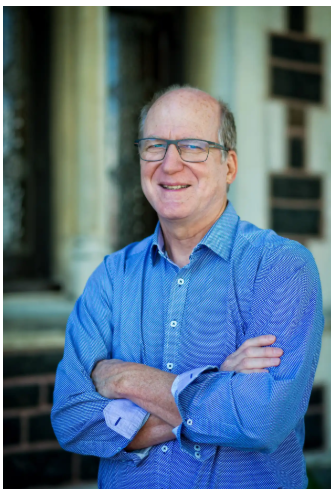
Professor Cliff Abraham, FRSNZ, of Ōtākou Whakaihu Waka – the University of Otago, was awarded the Rutherford Medal in 2025
Date: Tuesday 9 June 2026
Time: 6.00pm
Venue: Lecture Theatre 1, EIT Taradale

Free entry and please book a ticket here

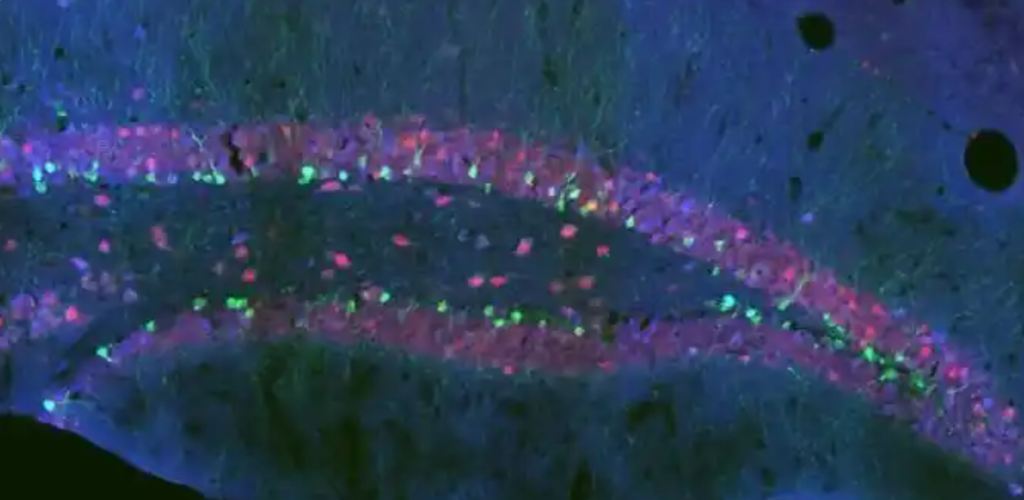
Confocal microscopy image showing newly born nerve cells (in green) in a memory storage region of an adult animal’s brain.

How does our brain remember – or forget? What happens to the nerve cells in our brain to cause this? Emeritus Distinguished Professor Cliff Abraham FRSNZ will speak about our mysterious brains, and ideas for new treatments emerging from the discoveries made by his research team.

How the brain stores memories has long been mysterious. This “fascinating mystery” has inspired Prof Abraham’s research for decades: “The brain is such a complex machine, but it’s just made of cells. How do they perform the operations that lead to something as important as storing information?”

Intensive research over decades has revealed the mechanisms that change connections between nerve cells in the brain and allow memories to be stored. These mechanisms are affected by a variety of internal and external signals, from genetics to environmental stressors. Importantly, this knowledge helps explain memory decline in neurological disorders, leading to revolutionary ideas for new treatments.

The Rutherford Medal is the highest honour awarded by the Royal Society Te Aparangi in Aotearoa New Zealand. It recognises pre-eminent research, scholarship, or innovation.

Emeritus Distinguished Professor Wickliffe (Cliff) Abraham FRSNZ, of Ōtākou Whakaihu Waka – the University of Otago, was awarded the Rutherford Medal in 2025 for breakthroughs in understanding of the neural mechanisms of memory and for providing inspirational leadership for neuroscience in Aotearoa New Zealand.  
 
Prof Abraham established the Brain Health Research Centre at the University and most recently co-led the national Aotearoa Brain Project – Kaupapa Roro o Aotearoa. He is passionate about translating his fundamental research into treatments for neurological disease, as well as mentoring and inspiring the next generation of neuroscientists. 

Reflections on the Rise and Rise of Kaupapa Māori Research

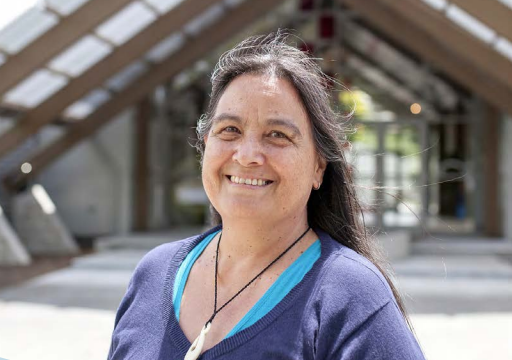
Speaker: Dr Anne Hiha, Tutor, School of Education, Eastern Institute of Technology
Date: Thursday 6 November 2025
Time: 6:00pm
Venue: Lecture Theatre 1, EIT Taradale, Napier
Entry: Gold coin donation

Research has changed for Māori. They have gone from being the researched of 19th century, which spawned a visceral mistrust of research and researchers well into the 20th century, to active engagement with research in the 21st century. I explore my transformation from 20th century researcher to 21st century Māori researcher.

Dr Anne Hiha is an Adjunct Lecturer at Te Aho a Māui, Eastern Institute of Technology (EIT). She teaches on the Master of Professional Practice, including the capstone research paper, and guest lectures in the Postgraduate Certificate of Professional Supervision. Anne also teaches research on the Bachelor of Arts (Māori) programme.

She mentors MAI ki Te Matau-a-Māui participants, part of Te Kupenga o MAI, an initiative of Ngā Pae o te Māramatanga. This national network supports Māori and Indigenous postgraduate researchers, providing mentoring, connection, and opportunities for academic and professional growth.

image from:https://albiongould.com/a-brief-history-of-flax-weaving-in-new-zealand/

Seeing the Unseen: MRI Innovation from Regional New Zealand

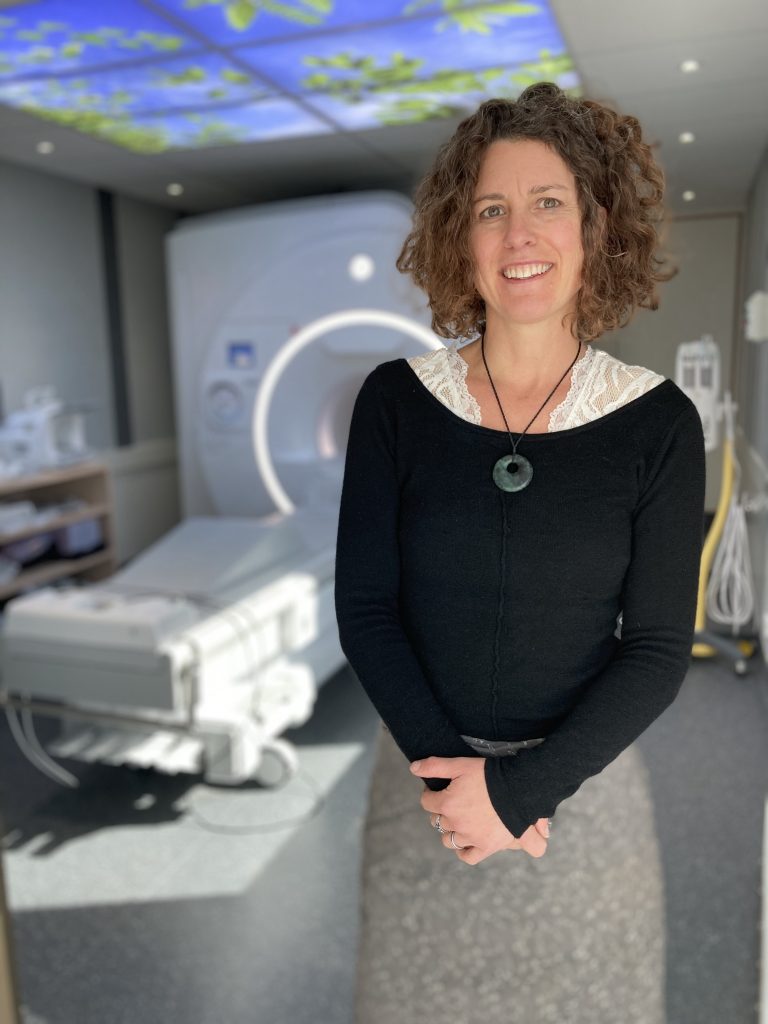
Speaker: Associate Professor Samantha Holdsworth, Associate Professor at University of Auckland and Research Director of the Mātai Medical Research Institute, Tairāwhiti-Gisborne
Date: Thursday 9 October 2025
Time: 6:00pm
Venue: Lecture Theatre 1, EIT Taradale, Napier
Entry: Gold coin donation

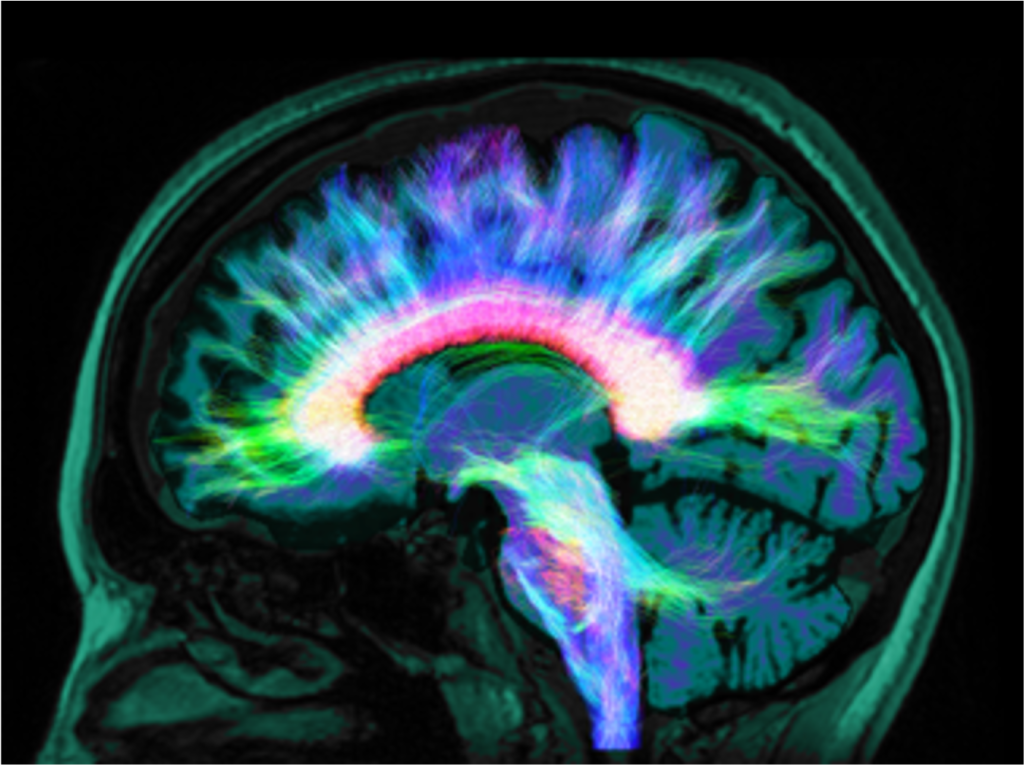
How can advanced MRI help us better understand the brain and tackle some of our biggest health challenges? In this talk, Associate Professor Samantha Holdsworth shows how cutting-edge MRI is reshaping our understanding of the brain – from concussion to better detection of multiple sclerosis, from methamphetamine-related recovery to non-invasive measures of brain pressure. She’ll also share how community-embedded science in Tairāwhiti–Gisborne is inspiring young people, building research capability, and creating opportunities for New Zealand.

Join us for an evening that connects science, technology, and people – and highlights Aotearoa’s leadership in global imaging research.

Associate Professor Samantha Holdsworth is a world-leading MRI physicist at the University of Auckland and Research Director of the Mātai Medical Research Institute in Gisborne. After completing her physics degree at the University of Canterbury, a PhD in Queensland, and a fellowship at Stanford, she returned home to pioneer world-first MRI research in Aotearoa. At Mātai, she leads a multidisciplinary team working with iwi, schools, scientists, and clinicians to advance health, education, and innovation in the regions. Samantha is passionate about ensuring that cutting-edge science delivers benefits both to communities in Aotearoa and to the wider world.

Behind the Scenes: Visit T&G’s High-Tech Apple Packhouse

Date: Thursday, 22 May 2025

Time: 5:30pm

Location: T&G Global, Whakatu (access details will be provided to confirmed attendees)

Booking Required via Eventfinda – Limited to 40 People. Bookings will open on 22 April.
This is a members-only event. You must be a paid-up RSNZ HB Branch member with membership valid through to March 2026.

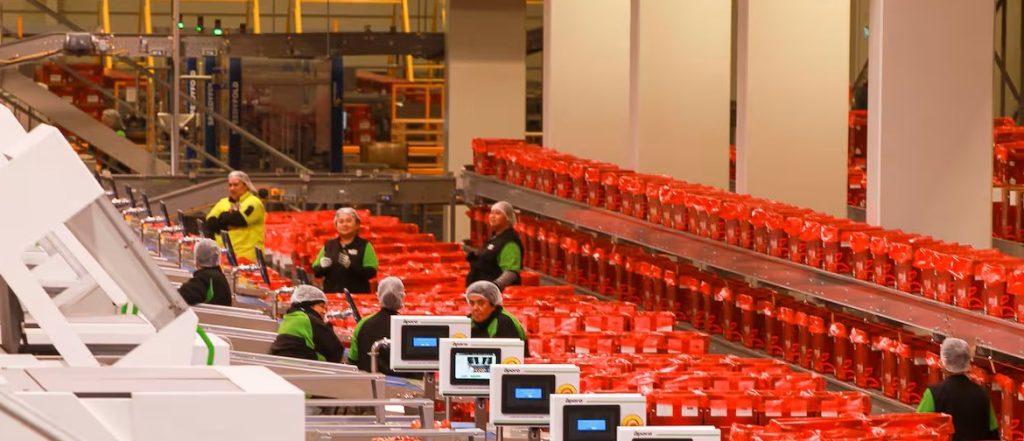
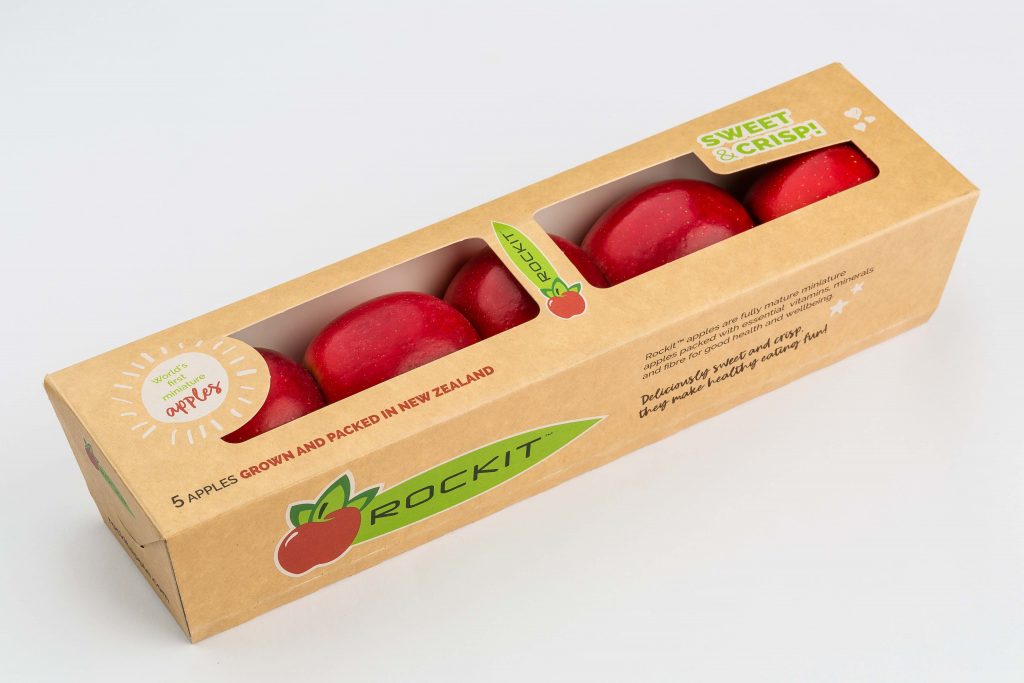
Join us for an exclusive behind-the-scenes tour of T&G’s cutting-edge $100 million apple packhouse in Whakatu, which opened in May 2023. This state-of-the-art facility is nearly fully automated, using advanced technology for apple washing, grading, packing, palletising, and storage. Some apples are even packed by robots – though humans still do it faster!

This is a rare opportunity to see one of New Zealand’s most advanced post-harvest facilities in action.

Visitor Requirements:

  • Wear hi-viz if you have it (T&G will provide hair and beard nets)
  • Wear flat, fully enclosed shoes
  • No jewellery or watches (plain wedding bands without stones are permitted)
  • No photos allowed – please leave your phone in the car

Tuesday 25 July: Rebuilding Hawke’s Bay’s stopbanks

Jon Kingsford, Project Manager, Hawke’s Bay Regional Council

Date: Tuesday 25 July 2023 at 6.00pm

Venue: Hawke’s Bay Regional Council, Dalton Street, Napier

Admission: Gold coin donation

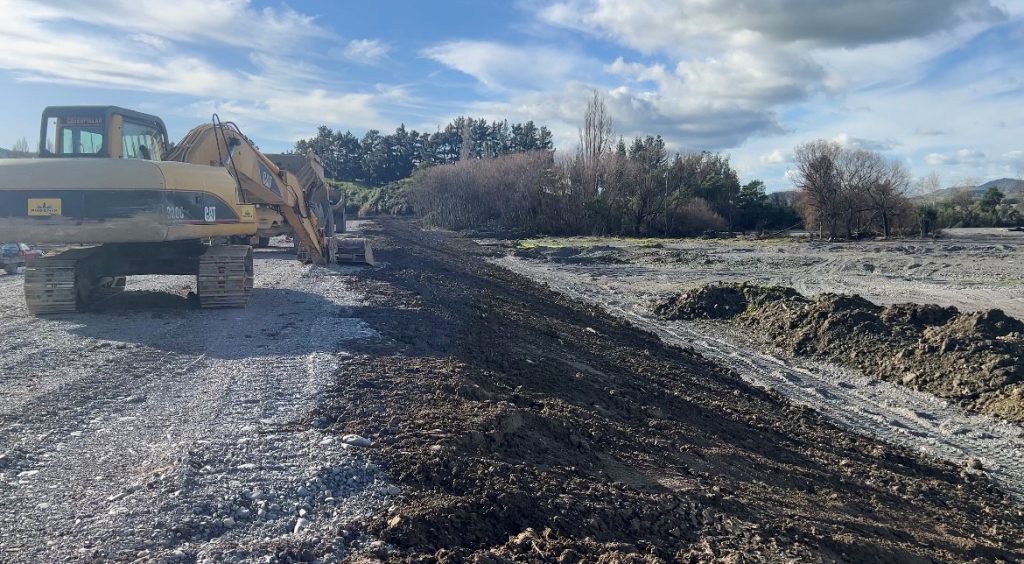
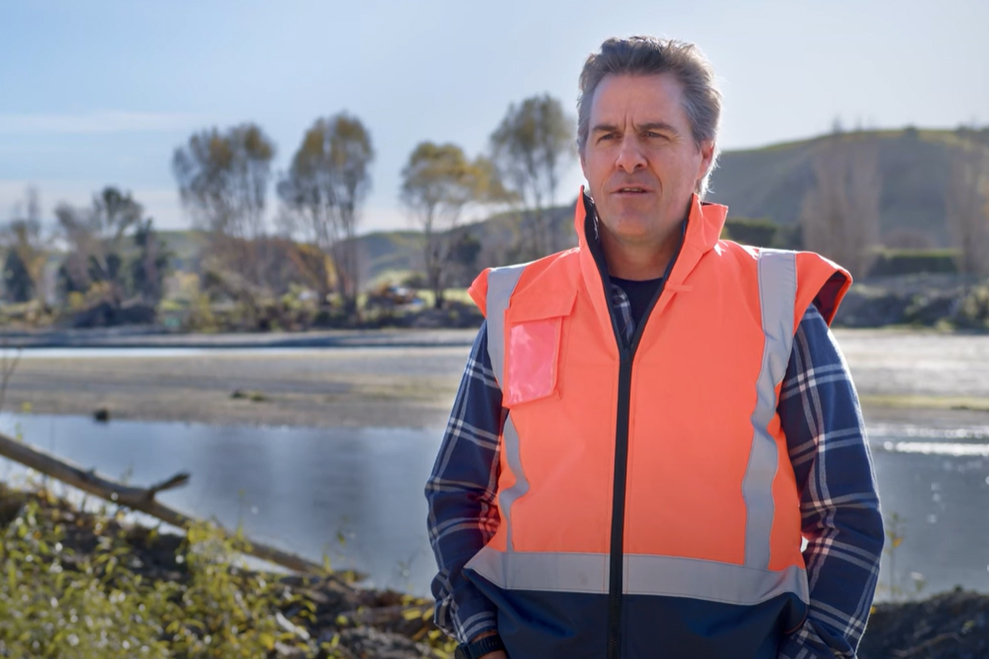
Cyclone Gabrielle wreaked havoc on Hawke’s Bay as rivers overcame flood protection, leaving many stopbanks in need of urgent repair. This task fell to a rapid rebuild team at HBRC, led by Jon Kingsford. His talk will cover how the team came about, how it was structured to enable rapid scaling up of resource and about the challenges encountered during the repairs, using specific sites as examples. Then looking forward, Jon will describe planned future work and river management challenges more generally.

Jon Kingsford is a civil engineer and Project Manager, managing a small team of project managers delivering infrastructure construction work relating to stormwater and flood protection across the Hawke’s Bay. Jon is an outdoor enthusiast, feeling most at home in the ocean (on a surfboard) or in the mountains and native forests.

Generative AI – a lecture series in May and June 2023

Four lectures on this topical and important subject are being broadcast free of charge by the Faculty of Science, University of Auckland

Matariki – Stories of the Stars

Using all the facilities of the Holt Planetarium, join Planetarium Director Gary Sparks on an exploration of the science, the cultural significance and the international celebration that is Matariki.

Session times: Friday 02 July at 7pm, Saturday 03 July at 7pm and Sunday 04 July at 2pm.

Venue: Hawke’s Bay Holt Planetarium, Chambers Street (on the grounds of Napier Boys High School).

Admission: $20 per person, payable on the night. Cash only, no EFTPOS facilities.

Advanced booking is required. To book, contact the Planetarium 06 834 4345 or gary@holtplanetarium.org.nz

Friday 21 May: Demographic Change in a COVID World : Implications for Hawkes Bay

Friday 21 May 2021 at 6.00pm
EIT Lecture Theatre 1, 501 Gloucester Street, Taradale

Admission by gold coin donation

Distinguished Professor Paul Spoonley FRSNZ

Distinguished Professor Paul Spoonley FRSNZ, College of Humanities and Social Sciences, Massey University Auckland

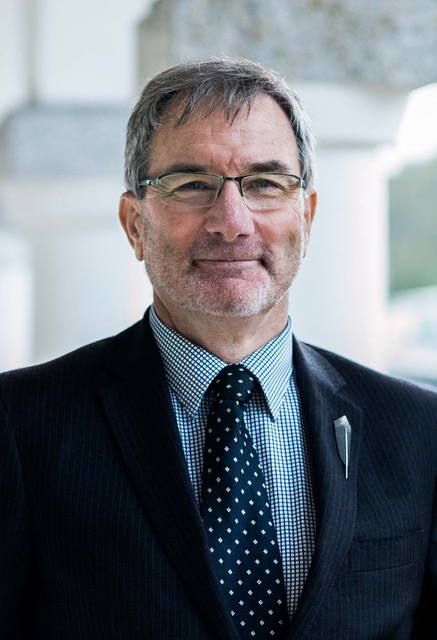
In the 2010-2020 period, New Zealand experienced major demographic change : declining fertility, rapid population ageing, and the highest ever net migration gains. All these had implications for New Zealand’s regions, including Hawkes Bay. COVID has confirmed some of these changes and accelerated others. This has become obvious in Hawkes Bay over the picking and processing in the 2020-2021 summer and the reliance on temporary overseas labour. This was always going to be unsustainable and COVID has confirmed this with considerable emphasis. Hawkes Bay will be a very different place in 2030. This talk discusses demographic change – past and future – and the implications for Hawkes Bay.

Distinguished Professor Paul Spoonley was, until recently, the Pro Vice-Chancellor of the College of Humanities and Social Sciences, at Massey University. He is the author or editor of 27 books, including Rebooting the Regions (2016) and The “New” New Zealand. Facing Demographic Disruption (2020). He is currently writing a book on the extreme right in this country. He is a Programme Leader of a research programme on the impacts of immigration and diversity on Aotearoa (MBIE, 2014-2021, $6 million). He was made a Fellow of the Royal Society of New Zealand in 2011 and was granted the title of Distinguished Professor by Massey University in 2013. 

Thursday 22 April 2021: The Circular Bioeconomy: 3D and 4D printing of bio-based materials

Thursday 22 April 2021 – 6:00 PM
EIT Lecture Theatre 1, 501 Gloucester Street, Taradale

Admission by gold coin donation

Dr Marie-Joo Le Guen is a Research Leader in Additive Technologies

Dr Marie-Joo Le Guen is a Research Group Leader in Materials, Engineering and Manufacturing at Scion

 Additive manufacturing (AM), including 3D and 4D printing, encompasses some of the most promising technologies currently available. News stories regularly appear featuring exciting creations or innovations, from houses to human hearts, all made possible with AM technologies. Scion anticipates that AM will continue to be one of the biggest and most influential technologies worldwide. As New Zealand transitions to a circular bioeconomy, AM will be a core manufacturing technology going forward.  New Zealand has particularly promising arguments for using AM in our journey to a circular bioeconomy. Our small nation is rich in renewable natural materials that can create the new polymers, composites and other performance filaments that are needed to replace the fossil-based products currently in use.  Scion has 20 years of research and development experience in biomaterials and 10 years in AM; this is forming the basis of a new, innovative manufacturing sector for New Zealand. Looking to the future, our vision for AM includes cross-disciplinary opportunities with other advanced related technologies such as robotics, virtual and augmented reality, and artificial intelligence.  Coupling this highly adaptive technology with the innovative kiwi-mindset, a small but young manufacturing sector, and easy production near supplies of biomass, is a recipe for success. This technology will also bring new opportunities to decrease reliance on some imported materials, while increasing exportable products. These factors and more are the reasons to make AM the next big manufacturing direction in New Zealand. 
Scion is a Crown Research Institute that specialises in research, science and technology development for the forestry, wood product, wood-derived materials, and other biomaterial sectors. Dr Marie-Joo Le Guen is a Research Group Leader at Scion. Her background is in materials science and additive manufacturing.